Delve Into the Domain of Fair Trade Tea: Remarkable Brews That Back Sustainable Practices
Fair Trade tea constitutes a seamless integration of superior standards and principles. Each cup presents a unique flavor experience while furthering sustainable farming practices. This strategy not only improves the tea experience but also empowers underprivileged farming communities. Exploring its origins and authentication procedures exposes deeper dimensions of value. As patrons become more conscious of their choices, the impact of Fair Trade tea transcends taste. What dwells beneath the veneer of these preferences?
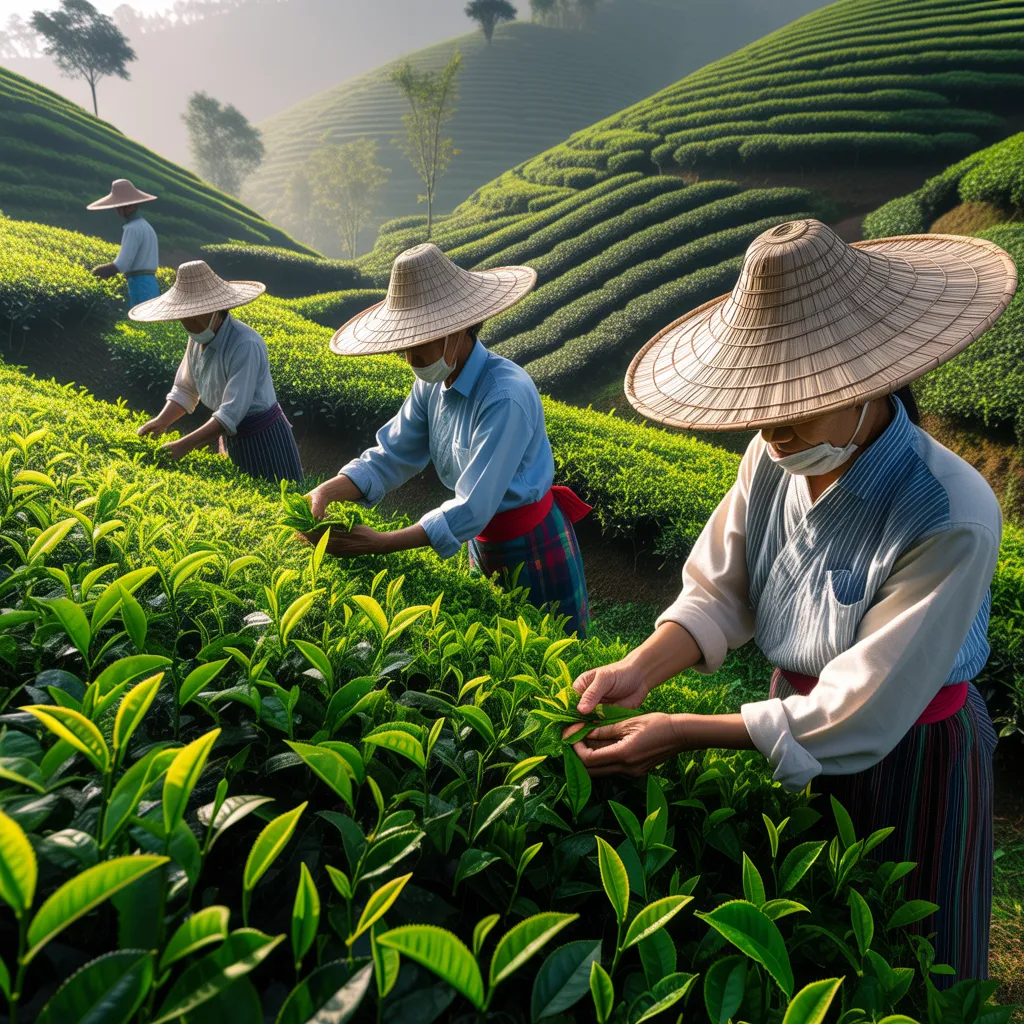
Explore the Origins of Fair Trade Tea
Fair Trade tea originates from the socioeconomic movements intended to better the circumstances of excluded farmers. Commencing in the latter part of the 1900s, this endeavor worked to resolve inequities in worldwide commerce, notably in less developed nations where tea is commonly cultivated. The movement picked up steam as buyers became increasingly mindful of the grim conditions experienced by small-scale farmers, such as exploitative prices and mistreatment by large corporations.
By utilizing collaborative frameworks, Fair Trade aimed to empower these farmers, ensuring they obtained fair payment and support for environmentally responsible agriculture. The movement also focused on advancing ecological stewardship, promoting organic farming and biodiversity. As awareness increased, Fair Trade tea became a representation of ethical consumption, linking consumers directly with the origins of their beverages. By choosing Fair Trade tea, individuals add to a larger goal of social justice and economic equity, creating a more sustainable future for tea-growing communities.
Comprehend ethical commerce for green operations
Recognizing Fair Trade certification is necessary to understanding how sustainable practices are upheld within the tea industry. This certification confirms that producers receive fair wages and work under safe conditions, which directly fosters community development. Fair Trade standards champion environmentally sustainable farming methods, reducing the use of harmful chemicals and encouraging biodiversity.
Certification fosters transparency in the distribution network, allowing customers to track their tea back to its origin. By adhering to these guidelines, visit this page farms undertake methods that safeguard environmental assets and support local ecosystems. Additionally, Fair Trade groups often provide learning materials and training to agricultural producers, equipping them to enhance their production methods and economic stability.
Ultimately, Fair Trade certification not only improves the standard of tea but also aligns purchasing decisions with moral and eco-friendly values, making it an crucial aspect of the tea industry's dedication to social responsibility and environmental stewardship.
Browse Premium Varieties of Fair Trade Tea
While many tea enthusiasts cherish the robust taste and aroma of countless tea blends, delving into the top categories of Fair Trade tea exposes a deeper commitment to responsible farming and planet-friendly methods. Some popular options present Fair Trade Assam, distinguished by its intense, malt-forward notes, and Fair Trade Darjeeling, often known as the "Champagne of teas" for its subtle floral essence. Another notable variety is Fair Trade Earl Grey, enhanced with bergamot, furnishing a distinctive citrus character.
Moreover, Fair Trade Green Tea, celebrated for its energizing qualities and health benefits, is increasingly sought after among health-conscious consumers. Herbal blends, such as Fair Trade Chamomile and Peppermint, also stand out, supplying soothing and calming effects. Each of these varieties not only delivers exceptional flavor but also assists farmers and communities working for better livelihoods, making them a responsible choice for tea lovers seeking quality and ethical assurance.
Brewing Fair Trade Tea: Guidelines for a Perfect Cup
To prepare the ultimate cup of Fair Trade tea, careful attention is important, as the best practices can highlight the tea's unique notes and aromas. The first step is that water quality is of utmost importance; using purified water ensures a crisp taste that allows the tea's characteristics to be highlighted. Also, the water temperature is important; different teas need specific temperatures; boiling temperature is used for black tea and green and herbal teas require cooler temperatures.
Following this, the soaking duration needs to be accurately tracked. Oversteeping can generate bitter notes, while understeeping may not obtain the complete taste spectrum. A general guideline is 3-5 minutes for black tea and 2-3 minutes for green tea.
In conclusion, getting the ideal tea-to-water ratio enhances the flavor; one teaspoon of loose tea per cup is a fine starting point. By heeding these tips, tea enthusiasts can truly enjoy the diverse range of Fair Trade tea.
Green Benefits of Fair Trade Tea
Brewing Fair Trade tea not only improves the tea encounter but also promotes sustainable agricultural practices that benefit the environment. Fair Trade accreditation motivates farmers to use organic farming methods, which minimize the dependence on harmful pesticides and fertilizers. This method promotes biodiversity, helping to preserve local ecosystems and safeguard wildlife habitats.
Furthermore, Fair Trade methods often focus on soil health and water conservation, ensuring that tea cultivation does not drain essential resources. By supporting small-scale farmers, Fair Trade also fosters agroforestry, which combines tea cultivation with other crops and trees, further boosting environmental resilience.
Furthermore, Fair Trade tea typically involves eco-conscious wrapping and transportation methods, lowering the carbon footprint associated with its distribution. Ultimately, choosing Fair Trade tea demonstrates a conscious effort to advance a more sustainable farming approach that respects both the Earth and its inhabitants.

Your Tea Preference Helps Empower Global Populations
Investing in Fair Trade tea strengthens worldwide populations by providing agricultural workers with equitable compensation and enhanced labor situations. This commitment warrants that tea producers can maintain their economic stability while supporting their families and community markets. By acquiring Fair Trade tea, shoppers promote the expansion of significant local services, like learning opportunities and healthcare.
Fair Trade certification promotes ethical practices, requiring companies to follow guidelines that emphasize workers' rights and environmental sustainability. As a consequence, growers are incentivized to cultivate high-quality tea, which not only enhances their earnings but also creates pride in their craft.
Furthermore, the direct trade relationships established through Fair Trade remove exploitative middlemen, enabling farmers to connect with consumers worldwide. This transparency builds trust and promotes a global appreciation for the cultural significance of tea. Ultimately, each cup of Fair Trade tea acts as a symbol of the beneficial effect individuals can have on global communities through mindful consumption.
Frequently Posed Questions
What Approaches Should I Use to Determine Fair Trade Tea Goods On Sale in Stores?
To recognize ethically sourced tea items in stores, one should seek out certified marks, such as Fair Trade Certified or Rainforest Alliance. Additionally, investigating companies committed to ethical sourcing can help with making informed choices.
What Health Benefits Are Associated With Fair Trade Tea?
Fair trade tea can deliver multiple wellness benefits, including heart-healthy antioxidants, better digestion, and improved mental focus. Moreover, ethical procurement methods encourage eco-friendly farming, helping create a more vibrant environment and stronger community health.
Will I Find Fair Trade Tea Available in Digital Shopping Platforms?
Yes, fair trade tea is widely available in online marketplaces. Numerous retailers offer a extensive array of selections, confirming shoppers can readily purchase ethically sourced options that support both environmental stewardship and worker rights.
In What Ways Does Fair Trade Tea Impact Community Economies?
Fair trade tea positively impacts local economies by ensuring farmers receive equitable pay, promoting community advancement, and supporting sustainable agricultural methods. This support enhances livelihoods, promotes economic stability, and strengthens communities to invest in education and healthcare.
What Approaches Should I Apply to Maintain Fair Trade Tea for Superior Freshness?
To boost quality, fair trade tea should be stored in an airtight container, protected from strong odors, moisture, and light. Keeping it in a dark, cool location helps maintain its aroma and flavor over time.